Warts are one of those skin concerns that seem to appear out of nowhere and can be just as stubborn to get rid of. While they’re usually harmless, they can be uncomfortable, contagious, and sometimes painful.
If you’re ready to finally tackle your warts, here’s what you need to know about how they form and the removal or treatment options available in Singapore.
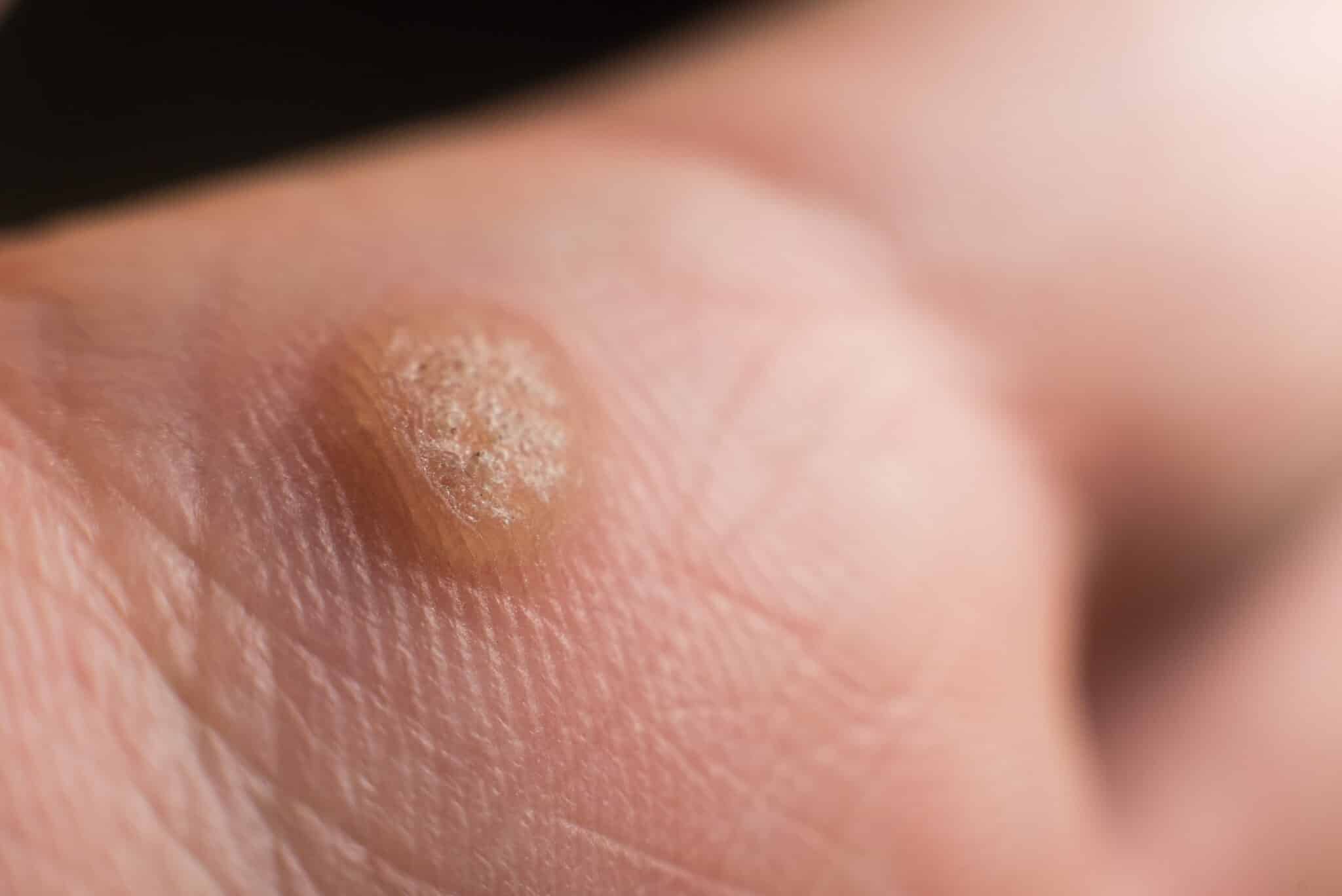
Warts are benign skin growths caused by the human papillomavirus (HPV), of which there are over a hundred strains. While most are harmless, some can spread through skin contact or shared items like towels and razors.
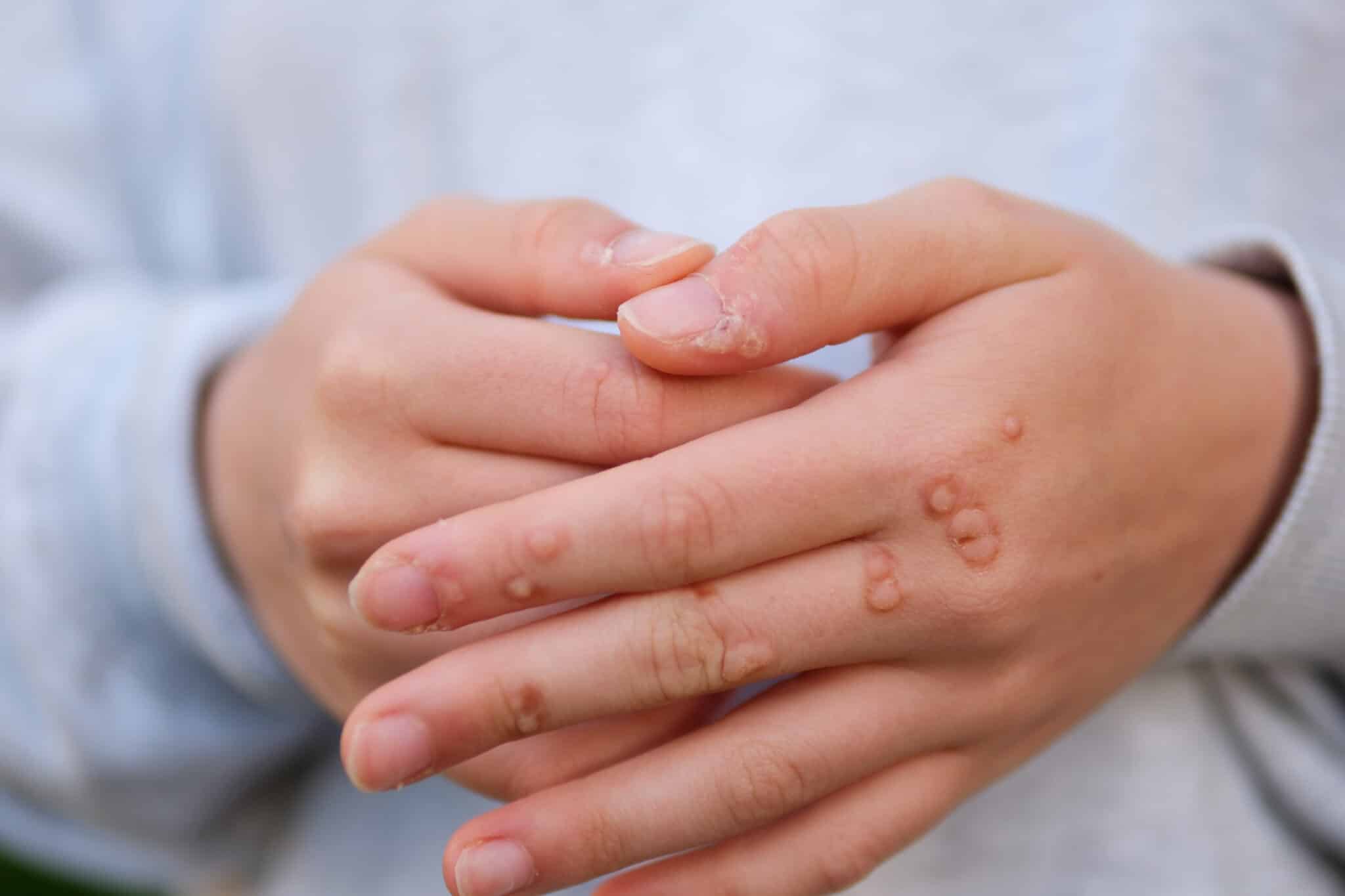
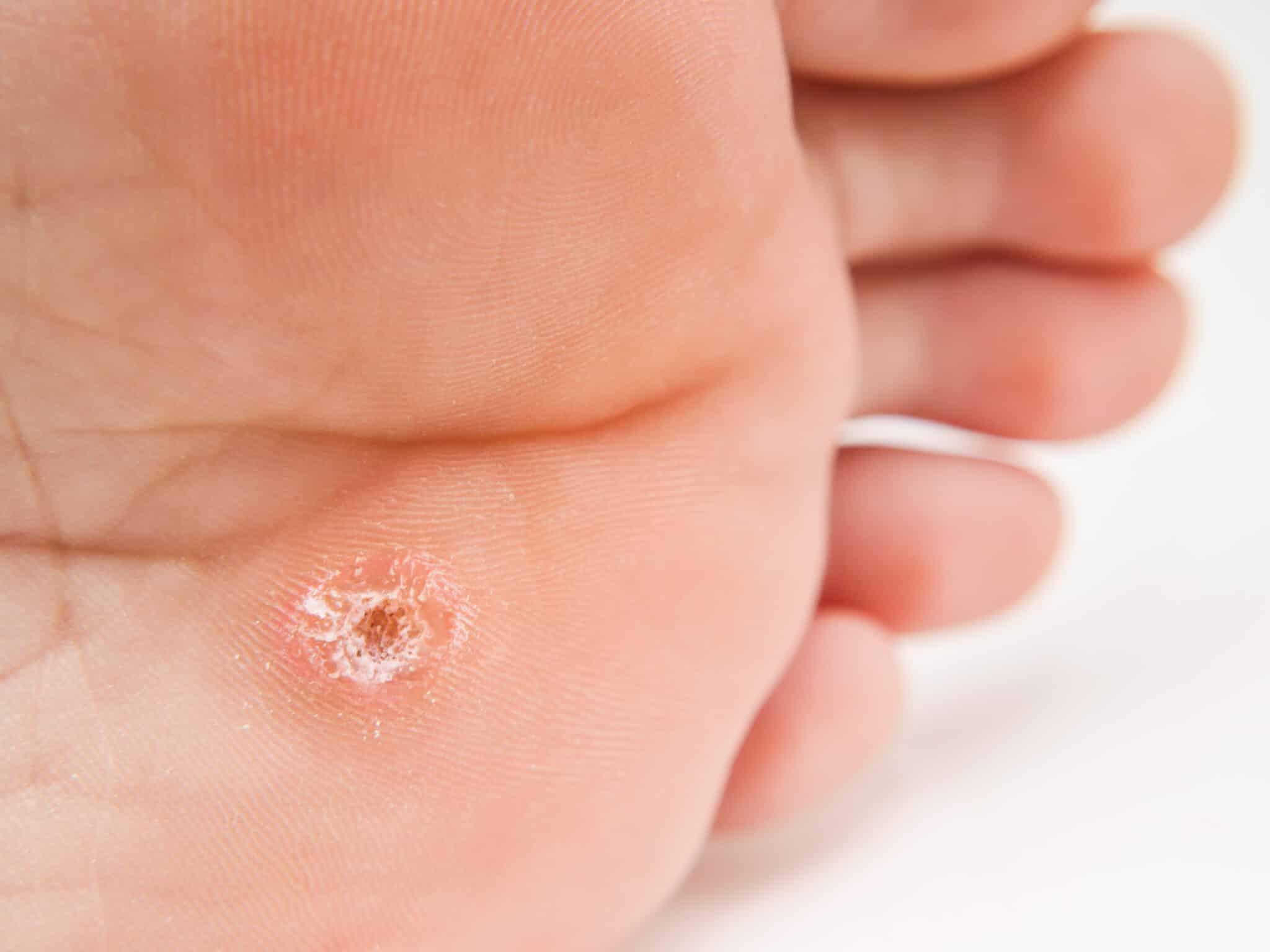
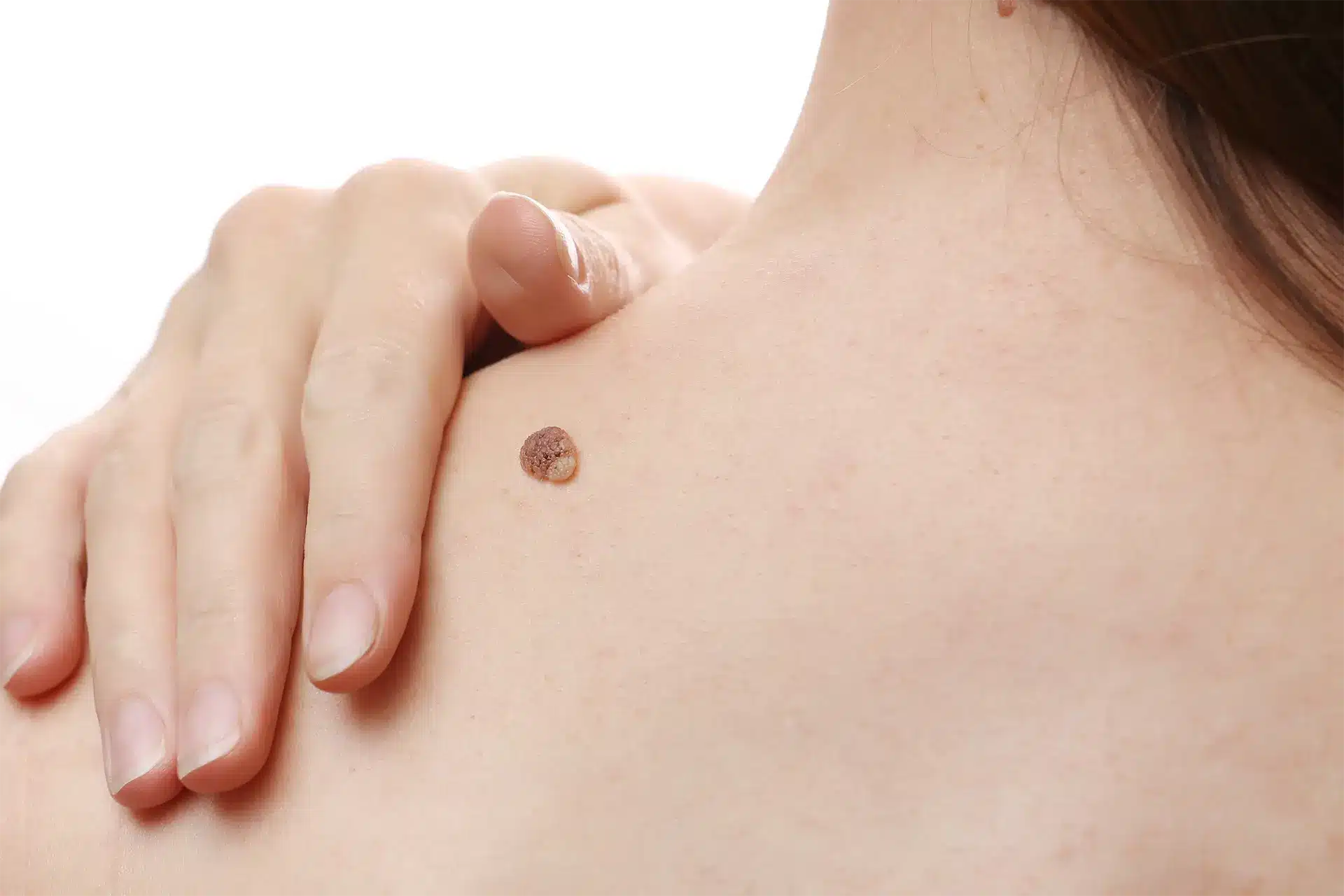
They can appear anywhere — on your hands, feet, face, or even under nails — and may feel rough, grainy, or raised. Some warts have tiny black dots (clotted blood vessels) at their centre.
Here are the most prominent warts:
While warts usually do not require urgent care, they can lead to secondary infections due to the openings they cause in your skin. So, it might be prudent to treat your wart sooner rather than later. For more on the risks of leaving your warts untreated, read this article.
While some warts may fade on their own, many linger for months or even years, spreading to other parts of the body or causing pain. Here are a range of wart removal procedures, along with their pros and cons, so you can decide which suits your condition best.
Cryotherapy is used in some clinics, but we generally avoid it at 1Aesthetics because it comes with certain limitations.
Instead of targeting only the wart tissue, liquid nitrogen can spread beyond the intended area. Because the “freeze zone” is difficult to control, neighbouring healthy skin may be affected, leading to unnecessary tissue injury. In some cases, this collateral damage can even trigger the further spread of warts.
Another challenge is penetration depth. Cryotherapy often struggles to reach the deeper parts of the wart where HPV-infected cells reside. As a result, clearance rates may not be ideal, and even after multiple sessions, the wart may persist or regrow.
Electrocautery is a traditional method that burns off the wart using a heated metal tip. While it can remove surface tissue, it also generates significant heat spread, which may damage the surrounding skin. This collateral thermal injury raises the risk of visible scarring and may even contribute to recurrence if deeper infected tissue is not fully cleared.
For these reasons, we do not offer electrocautery at 1Aesthetics. Newer methods, such as radiofrequency ablation or laser therapy (more on these below), result in less tissue damage and downtime.
At 1Aesthetics, we use both ablative and vascular lasers for wart removal. Ablative lasers can reach deeper layers of tissue, which improves clearance for thicker or long-standing warts — but this depth also means a higher risk of scarring and a longer recovery period. Vascular lasers, on the other hand, target the tiny blood vessels feeding the wart. They are gentler with minimal scarring risk, but their limited penetration often means several sessions are needed to fully clear the wart.
In many cases, we combine both ablative and vascular laser techniques to balance effectiveness with cosmetic safety. The ablative laser removes the bulk of infected tissue, while the vascular laser reduces bleeding, inflammation, and residual wart activity. This combined approach enhances wart clearance while keeping scarring and downtime to a minimum.
Radiofrequency (RF) ablation is one of the key wart-removal treatments we offer at 1Aesthetics. It uses high-frequency electromagnetic energy to precisely break down wart tissue with minimal heat spread.
Because RF delivers energy in a controlled, focused manner, it creates less collateral damage to surrounding skin. This results in:
Surgical excision is rarely needed for routine warts. In most cases, we reserve excision for situations where the growth may not actually be a wart — for example, when its appearance or behaviour raises concern for skin cancer or other atypical lesions. In these instances, removing the entire growth allows us to send the tissue for biopsy to confirm the diagnosis.
Because excision involves cutting out the lesion and carries a higher risk of scarring and downtime, it is not the first-line approach for typical warts. For confirmed warts, less invasive treatments such as RF ablation or laser therapy generally offer safer, more predictable results.
If you prefer a gradual, non-surgical approach, prescription creams may help dissolve or shrink the wart over time. These creams contain salicylic acid, retinoids, or immune-modulating agents that help your body fight the underlying HPV infection.
We tailor each prescription to your skin type and wart location, and we’ll guide you on safe application. This method requires patience as results often take several weeks, but it’s an effective option that causes minimal discomfort.
Some of our patients start with over-the-counter wart removers, such as salicylic-acid liquids, gels, or plasters. These products can soften the wart gradually if applied consistently, and are often used for small, recent growths.
If the wart doesn’t improve after a few weeks, you can visit us for a professional assessment. Book an appointment here.
Persistent warts may need a stronger prescription or professional removal to prevent them from spreading.
As with home remedies, “natural” solutions like tea tree oil or herbal extracts may help soothe irritation, but they can’t remove the virus that causes warts. That said, lifestyle factors — such as good hygiene, covering small cuts, and keeping hands and feet dry — do make a difference.
Strengthening your immune system also helps your body resist future HPV infections:
For additional help on the immune front, you can also consider wart immunotherapy, which works by stimulating your body’s natural defences to recognise and fight HPV more effectively. This approach can be helpful for multiple, recurrent, or treatment-resistant warts. For more on this, read our article here.
In some cases, combining treatments provides a more thorough and lasting outcome, especially for warts that have been present for months or that keep returning. For example, we might use laser treatment to remove the main lesion and then prescribe a medicated cream to prevent regrowth. This combination improves the long-term success of treatment while keeping discomfort and downtime minimal.
Strengthening your immune system also helps your body resist future HPV infections:
You may have come across online suggestions like apple cider vinegar or garlic paste, but we don’t recommend DIY wart removal. Such methods lack scientific evidence and can lead to skin burns, infection, or scarring.
At 1Aesthetics, we focus on evidence-based treatments that protect your skin barrier and address the root cause effectively.
Choosing the right wart removal method depends on several factors: the type of wart, its location and size, and your skin’s sensitivity. Some warts respond quickly to topical care, while others need a procedural approach like cryotherapy or laser treatment.
At 1Aesthetics, we’ll assess your skin and the characteristics of your wart before recommending a personalised treatment plan. Whether you prefer a quick in-clinic procedure or a gradual, low-discomfort option, we’ll walk you through each step so you know what to expect and how to care for your skin afterwards.
Address:
1Aesthetics, Medical & Surgery
#14-90 The Central Tower 1
8 Eu Tong Sen Street
Singapore 059818
Mon-Fri 10 AM to 730 PM
Sat 10 AM to 6 PM
Phone / WhatsApp:
+65 66125173 / +65 84899962
Email:
[email protected]