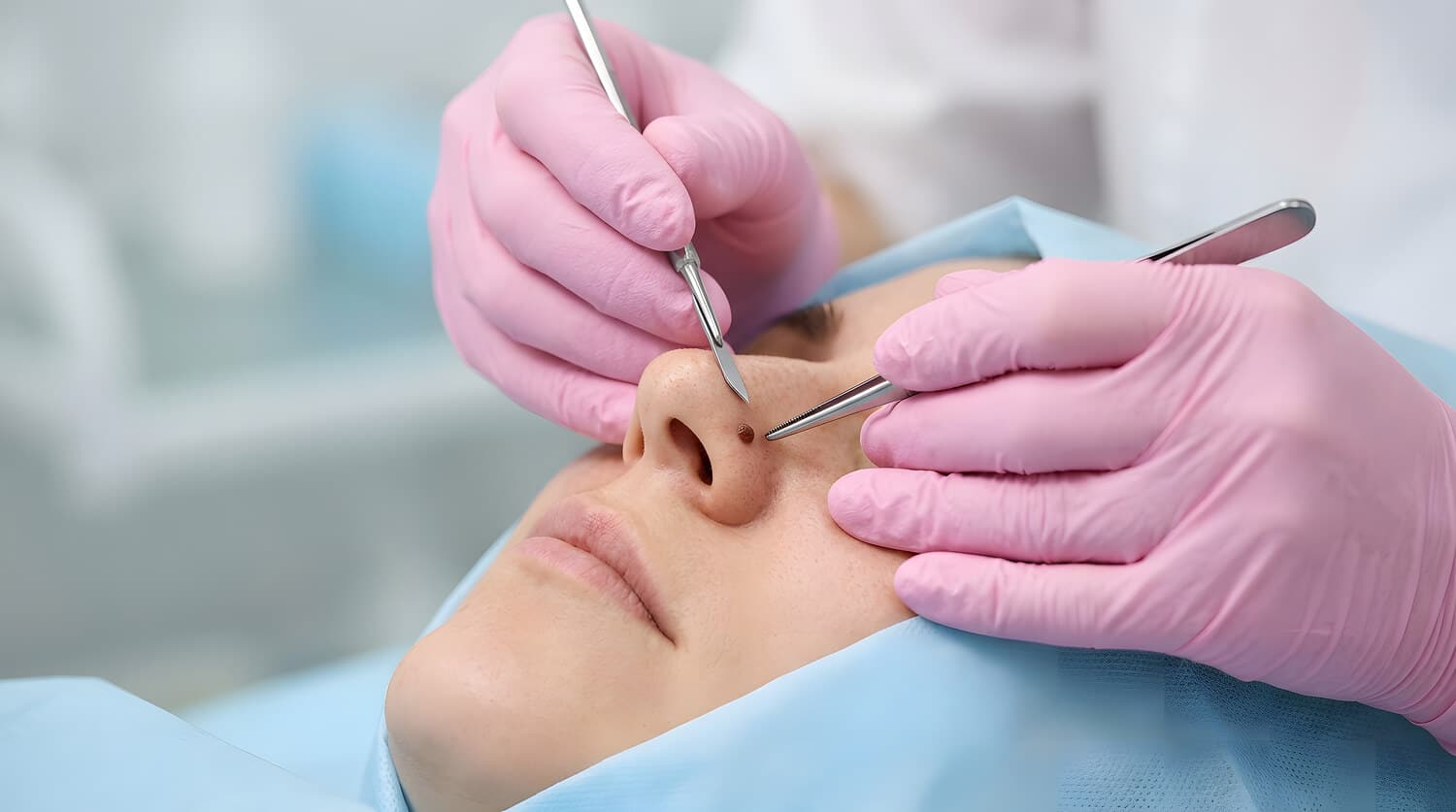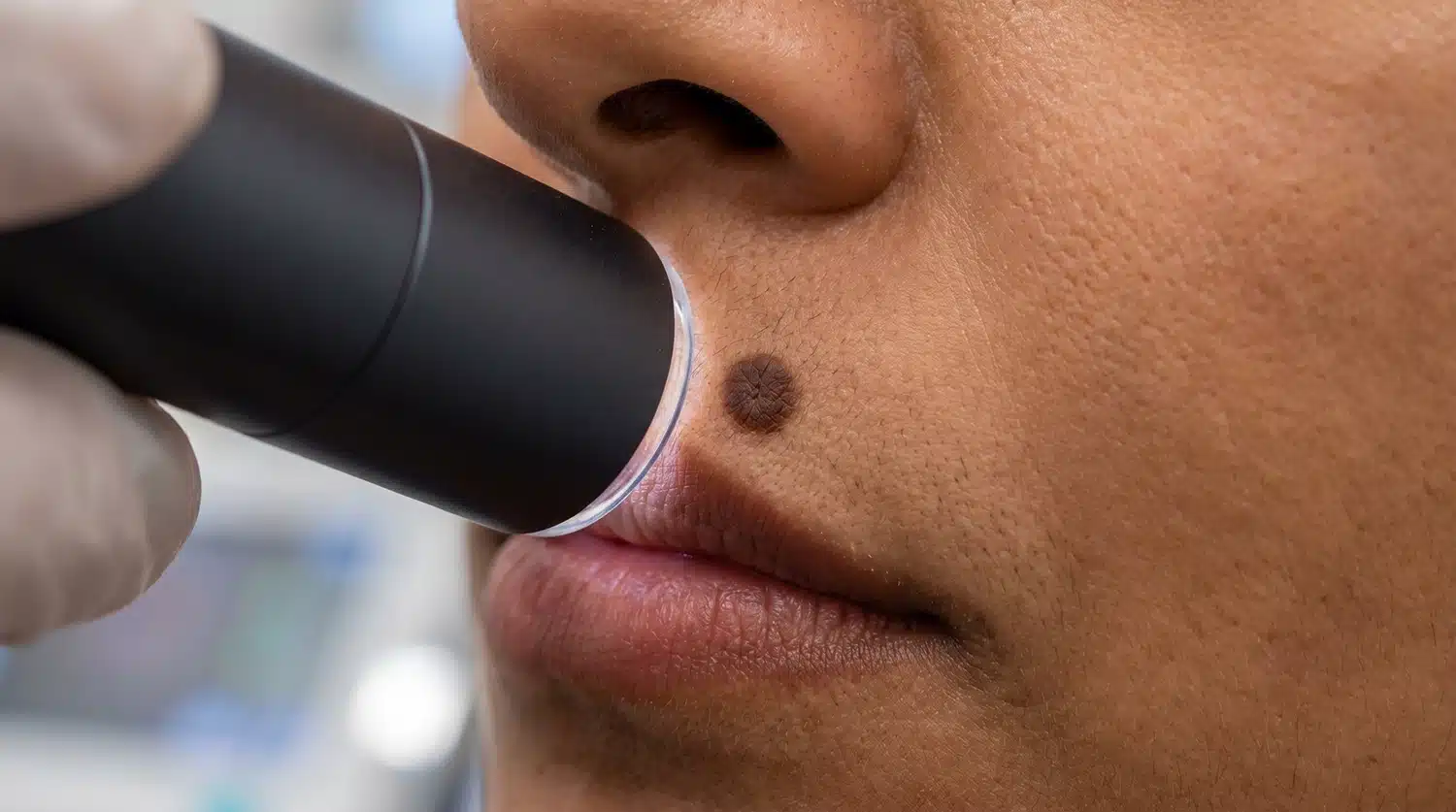
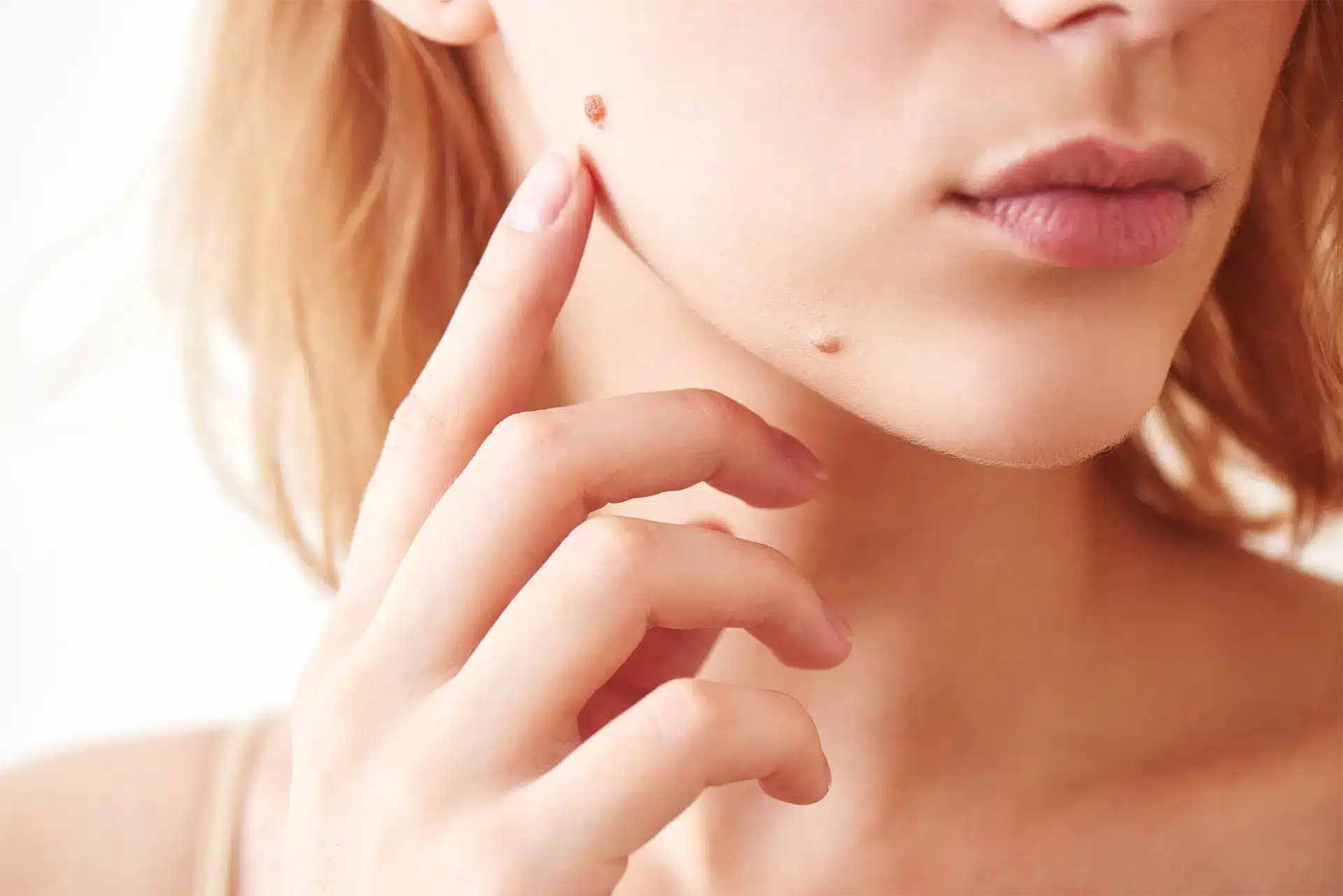
Removing a mole can feel like a big step—whether you’re doing it for looks, comfort, or just to put your mind at ease. If you’ve recently undergone mole removal in Singapore, or perhaps are planning to, you might be wondering what the healing process looks like and when to be concerned.
The good news is that most moles heal well after a removal procedure, especially with proper aftercare and treatment by an experienced doctor. Since there are several types of moles—flat, raised, pigmented, or complex—and everyone’s skin responds differently, healing timelines and experiences can vary.
Here’s a practical guide on what to expect and how to support a healthy recovery.
Healing after mole removal can vary depending on several factors:
Removal Method:
The method used is a big influence, as different techniques impact healing in different ways.
| Removal Method | Typical Healing Time | Scar Potential | Depth / Completeness | Recurrence Risk |
| Pigment Laser | Very fast (mild redness for 1–2 days) | Low – minimal scarring | Superficial; only pigment layer | Moderate |
| Combination Laser (Ablative + Pigment/Vascular) | Quick–moderate (redness & tenderness 2–5 days) | Low–moderate – depends on technique | More complete while limiting wound depth | Low |
| Ablative Laser | Moderate (mild tenderness 3–7 days) | Moderate – possible temporary pigmentation | Deeper removal; better for raised moles | Low |
| RF Ablation | Moderate (tenderness 3–7 days) | Moderate–high – more tissue collateral damage than lasers | Can remove raised tissue but less precise depth control | Moderate–higher than laser |
| Surgical Excision | Fast surface closure (1–2 weeks), full recovery 1–2 weeks | High – definite scar due to sutures | Full-thickness removal; most complete | Very low if mole fully excised |
Location: Areas with more movement, such as elbows, knees, or highly visible areas like the face, may need extra care. These sites are also prone to overhealing, which can increase the risk of raised or thickened scars.
Skin type: Some skin types are more prone to scarring, pigmentation changes, or slower healing.
Aftercare: Following your doctor’s instructions for cleaning, dressing, and sun protection plays a huge role in recovery.
After mole removal, new skin and blood vessels will regenerate underneath. Here are some typical developments.:
Small moles usually heal within one to three weeks, while larger or deeper ones may take four to six weeks.
While most wounds heal smoothly, certain changes after mole removal may signal a problem.
Here are some indicators to keep in mind during recovery:
Excess scar tissue can create raised, thick scars, particularly in people prone to keloids or in areas such as the skin around the mouth, lips, jawline, neck, chest and shoulders. Seeking treatment in this case is important because untreated scars can become permanent, continue to thicken, or even cause discomfort and restricted movement.
Interventions such as steroid injections or laser resurfacing can flatten the scar, improve texture, and minimise long-term visibility, helping both the appearance and function of the affected area.
If a scar starts to thicken or raise after mole removal, early intervention can make a difference. As an aesthetic clinic that regularly treats keloids and hypertrophic scars, we can guide you in treating and managing overhealing.
A small scar or depression can sometimes appear where a mole was removed, often due to collagen loss in the underlying skin. While minor depressions are usually harmless, deeper or persistent indentations may need further attention, as they can affect appearance or indicate incomplete tissue repair.
Once the area has fully healed, laser treatments can stimulate collagen production, plumping the skin and improving texture. This helps to even out the indentation, improve the treated area’s appearance, and reduce the risk of a permanent depression.
If you notice a spreading redness, yellow discharge, or increasing pain after mole removal, see a doctor right away. These signs could mean infection or delayed healing, and you should get prompt treatment to prevent further complications.
Hyperpigmentation or Hypopigmentation
Some colour changes are normal after mole removal, but they can be concerning if they linger. Dark spots (hyperpigmentation) or lighter patches (hypopigmentation) may appear as your skin heals, and while they usually fade within three months, persistent uneven pigmentation can affect your appearance and confidence. Sunscreen and consistent skincare can help the skin recover more evenly and reduce the risk of long-term discoloration.
Facing persistent pigmentation or other concerns after healing from a mole removal in Singapore? We can help. Contact us to explore treatments that improve skin tone and restore a refined appearance.
To support your skin’s natural healing process, you can follow these steps:
Gently clean the treated area with mild disinfectant, then apply any prescribed ointment to support healing. Keep the wound covered with a hydrocolloid dressing until it has fully closed to protect it from infection and promote smooth recovery.
Once your wound has fully closed, protect the new skin with SPF 30+ sunscreen to prevent darkening and support healing. Using silicone-based scar gels can further reduce thickening, improve texture, and help the area blend seamlessly with the surrounding skin.
For facial moles, it’s recommended to skip makeup, strong cleansers, and exfoliants until the area is fully healed to prevent irritation and reduce the risk of infection.
Healthy habits can also help your skin repair more quickly and effectively. These include:
If you’re considering mole removal in Singapore, experienced hands and a thoughtful approach matter. At 1Aesthetics, we provide laser, RF, surgical, and combination treatments to address moles of every type. Dr Wan and his team customise each procedure to your mole’s unique characteristics, including its size, depth, and location.
Explore your options with us. Book a consultation today.
Address:
1Aesthetics, Medical & Surgery
#14-90 The Central Tower 1
8 Eu Tong Sen Street
Singapore 059818
Mon-Fri 10 AM to 730 PM
Sat 10 AM to 6 PM
Phone / WhatsApp:
+65 66125173 / +65 84899962
Email:
[email protected]