Logo
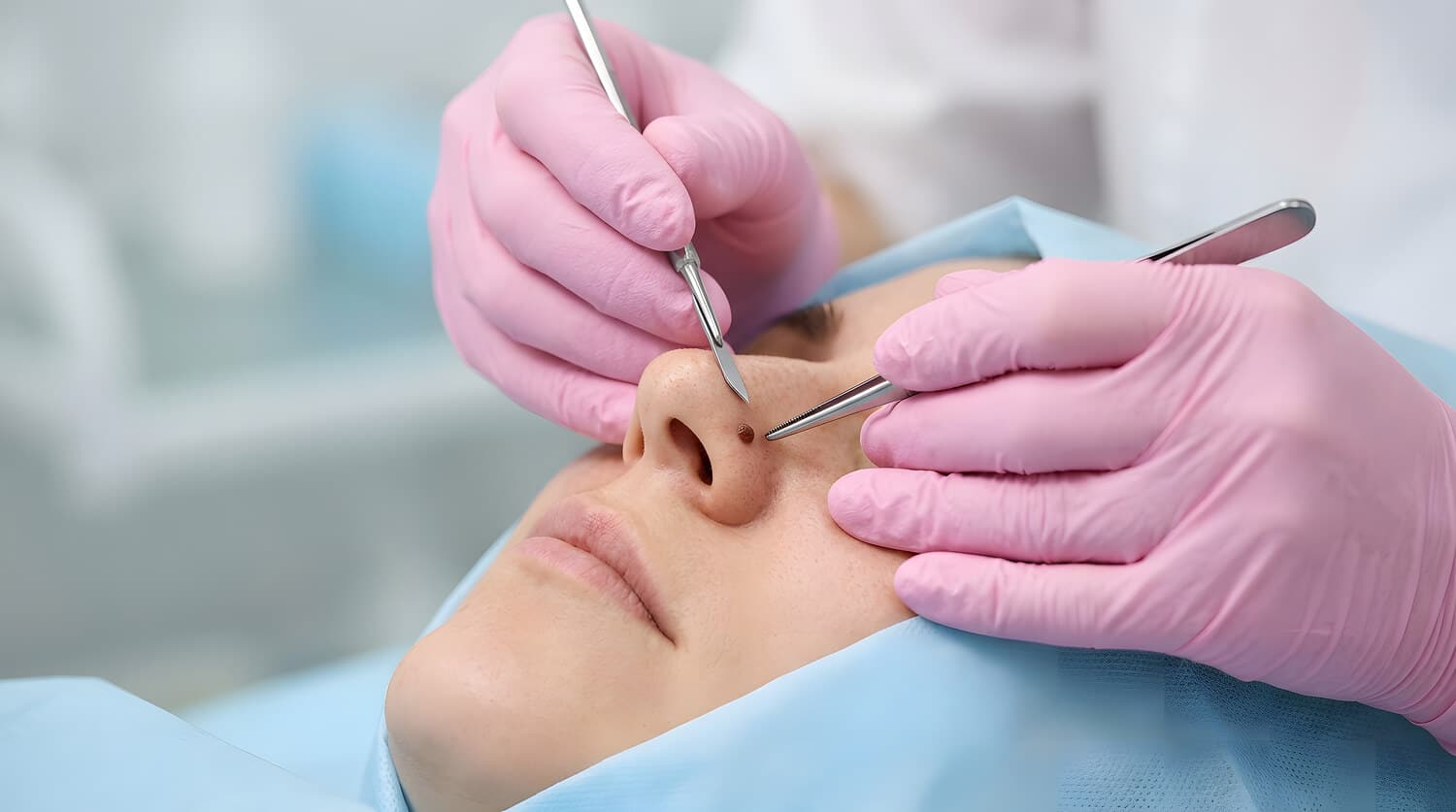
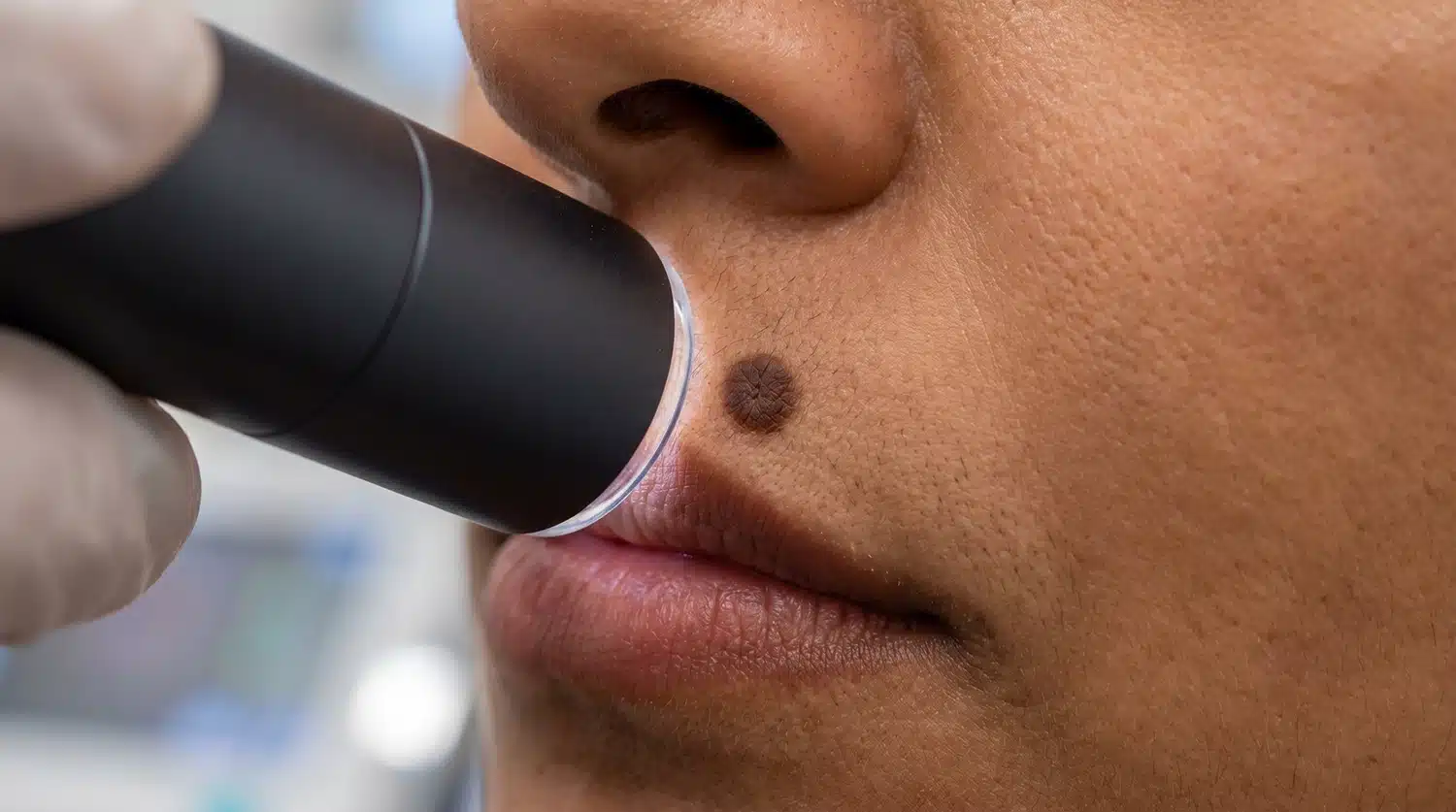
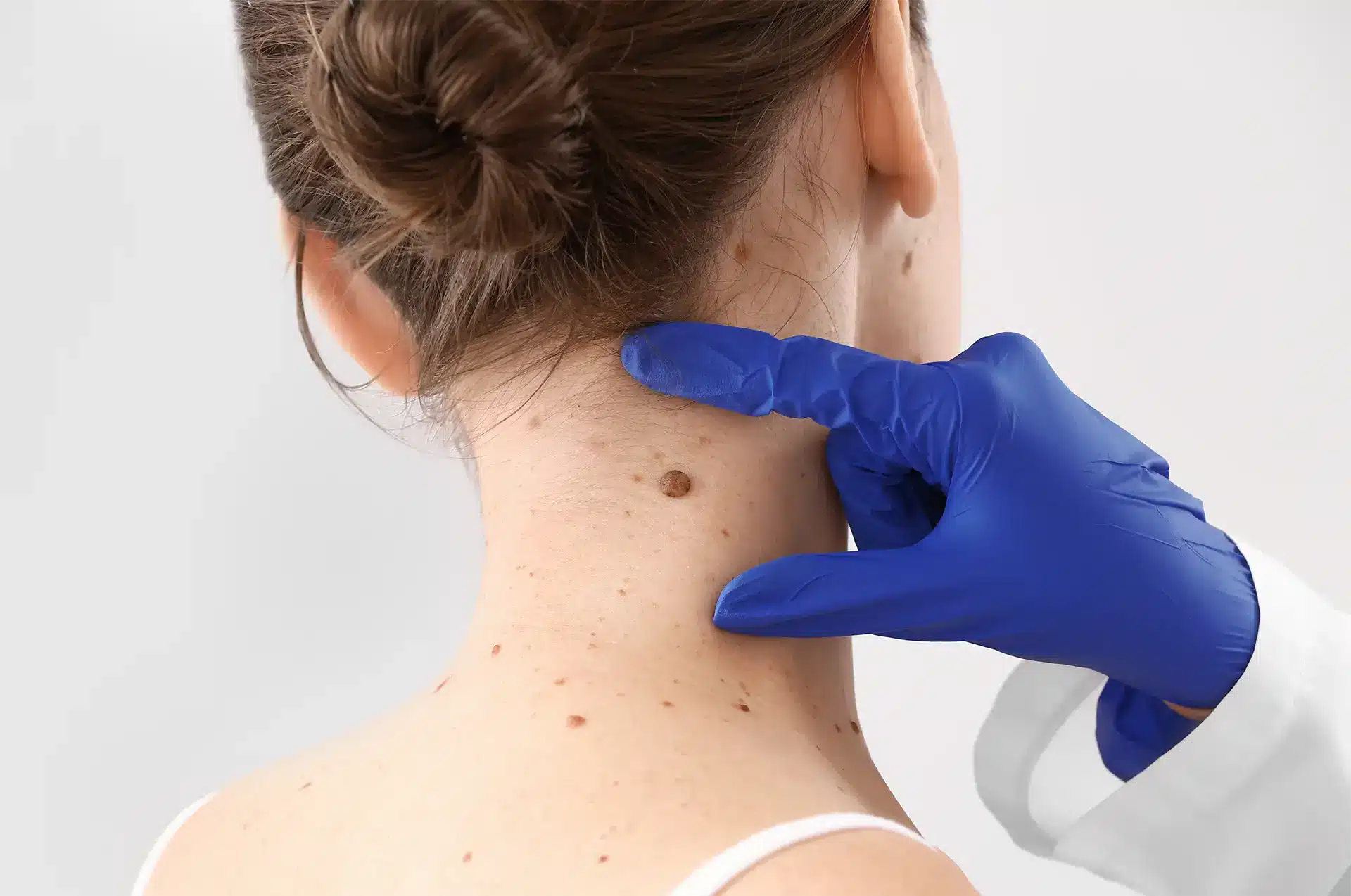
Woman with a large mole

Excision, Ablation, or Laser: Which Mole Removal is for You?

by Dr Wan Chee Kwang
June 20, 2025

Thinking about mole removal but unsure which method to choose? The ideal approach depends on factors such as the mole’s size, depth, and location.

There isn’t a one-size-fits-all method. Some moles may need to be completely removed through surgery, while others may respond well to minimally invasive options like radiofrequency or laser treatment.

In this guide, we’ll walk you through the pros and cons of each mole removal technique available in Singapore, so you know what to expect. But, first, let’s look at just why you may want to consider this procedure.

Why Remove a Mole?

People remove moles for a variety of reasons, both aesthetic and non-aesthetic. And sometimes these reasons overlap. Here are some common considerations:

  • Cosmetic concerns – To improve appearance or boost self-confidence.
  • Irritation or discomfort – When a mole rubs against clothing, jewellery, or during shaving.
  • Interference with daily activities – Such as combing hair or wearing glasses.
  • Preventive care – On a doctor’s advice to remove suspicious or high-risk moles that may lead to skin cancer.

Option 1: Surgical Excision

Surgical excision is a procedure that completely removes the mole along with a small margin of healthy skin around it to ensure all abnormal cells are eliminated. It is a routine procedure that doctors trust for its reliability and effectiveness—especially if you want to make sure the mole is completely gone.

Here’s how it typically works:

  • Local anaesthesia is applied to numb the area. Then, the doctor uses a laser or Radiofrequency (RF) device to carefully remove the mole along with a thin layer of surrounding tissue.
  • The wound is usually closed with stitches because surgical excision often removes the mole completely through the skin.
  • A tissue sample may be sent for laboratory analysis to check for any abnormal or cancerous cells.

This method is commonly used for:

  • Large, raised, or deep moles
  • Moles with suspicious or irregular features
  • Moles in delicate or challenging areas 

Pros of Surgical Excision

  • Complete removal of the mole.
  • The tissue can be sent for analysis to rule out any health concerns.
  • Particularly effective for moles in sensitive or hard-to-treat areas.

Cons of Surgical Excision

  • Larger moles may cause more noticeable marks or distortion of surrounding tissues—especially in areas such as the lips or curved surfaces like the cheeks and nose. For this reason, surgical removal is usually considered a last resort, and an experienced aesthetic doctor will take steps to minimise any visible effects.
  • Recovery can take slightly more time compared to non-surgical methods.
  • Redness or mild swelling may occur, and the outcome can vary depending on the suturing technique used. These effects generally fade over a few months. However, if your doctor were to use microsurgery, where an ultrapulse laser is used together with other surgical tools, the mole may be removed without any need for suturing. There may also be less likelihood of mole recurrence and scarring, compared to laser removal and RF vaporisation.  

Option 2: RF (Radiofrequency) Ablation

RF ablation is a minimally invasive method that removes moles using high-frequency radio waves. Rather than cutting, it gently vaporises the mole tissue, often eliminating the need for stitches and allowing the area to heal more quickly.

Here’s how it typically works:

  • Local anaesthesia is applied to numb the area for a comfortable experience.
  • A specialised radiofrequency device is used to carefully remove the mole layer by layer.
  • The area usually heals on its own without sutures, leaving behind minimal scarring.

RF Ablation is ideal for:

  • Raised, benign moles (moles that protrude above the skin’s surface)
  • Delicate or visible areas (face, neck, or other areas where cosmetic outcome matters). While RF ablation is less precise than laser vaporisation, it is generally faster and may suit patients on a budget, who are looking for a cost-effective solution that is reliable and still more controlled than other methods like cautery and electrocautery.
  • People who want a quicker, more affordable option—RF ablation is cost-effective and offers better control than cautery or electrocautery, though it is less precise than laser vaporisation.

Pros of RF Ablation

  • Quick procedure with minimal disruption to daily life
  • More affordable compared to laser treatments
  • It can be paired with other treatments, such as laser therapy, for improved cosmetic results.

Cons of RF Ablation

  • Not suitable for deep, large, or suspicious moles that require full excision for testing.
  • More than one session may be required for complete removal.
  • Higher risk of scarring and mole recurrence compared to laser mole removal.
  • Temporary light redness or swelling may occur.
  • Greater chance of scarring and recurrence compared with laser treatment.

Option 3: Laser Mole Removal

Laser mole removal uses concentrated light energy to destroy mole cells without cutting or stitching. There are two types: ablative and pigment laser removal.

Ablative Laser Removal (e.g., CO₂, Er:YAG)

An ablative laser vaporises tissue layer by layer and is the more commonly used laser for mole removal. It can precisely remove raised moles and reduce the risk of scarring and recurrence compared with RF ablation.

How it works:

  • Topical anaesthesia is applied. Local anaesthesiae may sometimes be required
  • The ablative laser removes the mole’s surface and underlying tissue in controlled layers.
  • The wound heals naturally without stitches.

Best for:

  • Raised moles
  • Moles requiring more thorough removal
  • Areas where scarring must be minimised but a degree of tissue removal is needed

Pros:

  • More precise than RF ablation
  • Lower scarring risk than RF
  • Good balance of effectiveness and cosmetic outcome

Cons:

  • Less suitable for very thin or flat pigment-heavy moles in sensitive locations
  • Healing involves a small raw area for several days

Pigment Laser Removal (e.g., Q-switched, Pico)

A pigment laser targets melanin, selectively damaging pigment-bearing mole cells without removing physical tissue. This is ideal for small, flat, pigmented moles, especially in areas where even minimal surface disruption could lead to visible scarring.

How it works:

  • Numbing cream is usually enough.
  • The laser breaks down pigment particles without cutting or vaporising tissue.
  • The body gradually clears the pigment over several weeks.

Best for:

  • Thin, flat, purely pigmented moles
  • Scarring-sensitive areas (e.g., nose, under-eye, lips)

Pros:

  • Very gentle, minimal downtime
  • Ideal for delicate zones
  • No open wound

Cons:

  • Not suitable for raised or deep moles
  • Multiple sessions often needed
  • No tissue sample for testing

Option 4: Combination: Ablative + Pigment Lasers

For moles that are both raised and pigmented, a combination approach using ablative and pigment lasers can offer comprehensive results. This method removes the mole tissue while simultaneously addressing pigmentation.

How it works

First, an ablative laser gently removes the raised portion layer by layer. Then, a pigment laser targets the melanin, selectively damaging remnant mole cells without harming nearby skin. This combined process flattens the mole and lightens any remaining pigment, helping the area blend naturally and often reducing the need for multiple treatments.

This approach is ideal for: 

  • Complex moles that require treatment for both texture and colour.
  • Those seeking refined cosmetic outcomes, especially in visible areas.


Pros of Combination Laser Treatment

  • Customisable to individual mole types.
  • Allows tailored adjustments for more predictable outcomes.
  • Combines two techniques in one plan for greater efficiency.

Cons of Combination Laser Treatment

  • Requires multiple sessions, especially for larger or more complex moles.
  • May cause temporary mild redness or sensitivity.
  • Takes longer to complete as it may involve multiple steps and sessions.

Which Method Is Right for You?

Whatever your reason for removing a mole, there are safe and effective options to consider in Singapore. The ideal approach depends on factors like the mole’s size, shape, depth, location, and whether your goal is complete removal or simply reducing its appearance.

In many cases, combining different techniques—such as laser treatments with surgical excision or radiofrequency—can provide more thorough results, minimise scarring, and reduce the risk of recurrence. This way, you don’t have to stick to just one method and can get results that suit both your health and how you want to look.

Here’s a comparison at a glance so you can see clearly which mole removal method may suit your needs:

MethodIdeal ForBenefitsDrawbacksHealing Time
Surgical ExcisionLarge, raised, deep, or suspicious molesComplete removal + lab testingMore visible mark, longer recoveryOne to two weeks (stitches removal), months for full fade
RF AblationRaised benign moles; delicate areasQuick, minimal downtime, cost‑effectiveNot for deep/suspicious moles; recurrence possibleFew days or one to two weeks
Laser Mole RemovalSmall, flat pigmented moles; visible areasMinimally invasive, little downtimeNot for raised/deep moles; multiple sessionsFew days to a week
Laser MicrosurgerySmall–medium moles in delicate/curved areasHigh precision, minimal tissue damageLess effective for deep/large moles; multiple sessionsFew days to a week
Pigment LaserSmall, flat pigmented moles; cosmetic zonesMinimally invasive, smooth resultsNot for raised/deep moles; no lab testingFew days to a week
Combination (Ablative + Pigment Lasers)Ablative laser removes raised portion layer-by-layer → pigment laser targets discolouration → blended result.Raised + pigmented moles; those wanting refined cosmetic results in visible areas.Customisable; tailored results; combines two treatments for efficiency.Multiple sessions; longer process; temporary redness/sensitivity.

Mole Removal at 1Aesthetics

There isn’t a single “best” way to remove every mole. What matters is matching the method to your goals and the mole’s characteristics. That decision should be made with a doctor who can explain your options, and recommend a plan that balances safety with appearance.

At 1Aesthetics, we specialise in personalised mole removal solutions in Singapore, taking a tailored approach that considers each mole’s size, location, type, and your aesthetic goals — rather than relying on a single technique for all cases.. Some moles are best treated in a single session, while others benefit from a staged or combined approach. 

During your consultation, we’ll examine the mole closely, discuss your preferences, and outline the treatment pathway most likely to give you the outcome you want.

Book a consultation with 1Aesthetics today.

About Dr Wan Chee Kwang

Dr Wan Chee Kwang is the Founder and Medical Director of 1Aesthetics, Medical & Surgery. He holds an MBBS from the National University of Singapore and postgraduate qualifications from the Royal College of Surgeons (Edinburgh) and the University of London. With over a decade of experience in medical aesthetics, Dr Wan combines surgical precision with evidence-based techniques to achieve natural, lasting results.

Related Posts

Let Us Help

With your most pressing concerns

Address:
1Aesthetics, Medical & Surgery
#14-90 The Central Tower 1
8 Eu Tong Sen Street
Singapore 059818

Mon-Fri 10 AM to 730 PM
Sat 10 AM to 6 PM

Phone / WhatsApp:
+65 66125173 +65 84899962 

Email:
[email protected]


    tagmenu